Why Chelsea Keep Rejecting Kit Sponsorship Deals
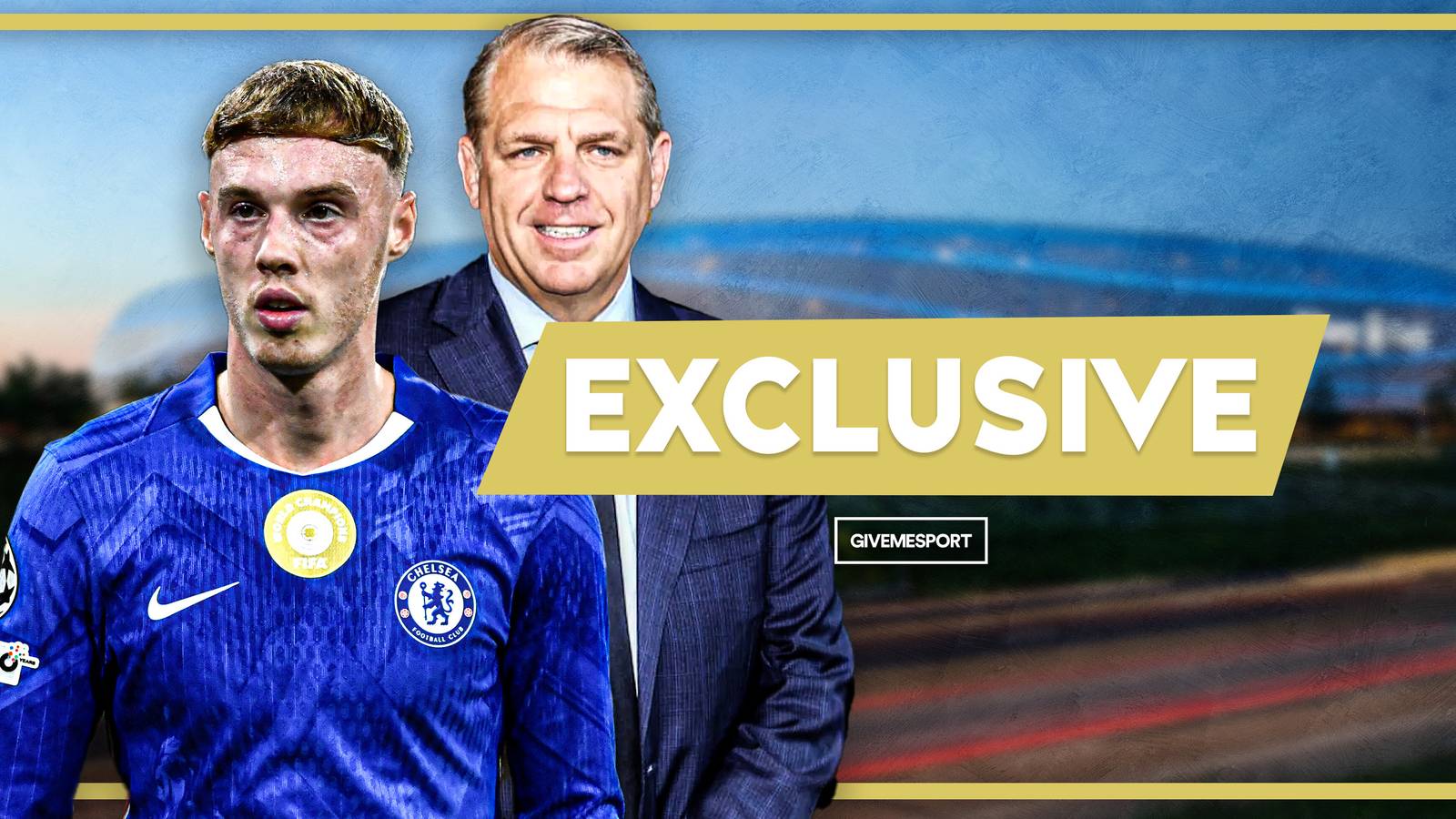
For Chelsea, the start of the new season brought with it a renewed sense of optimism and vigour on the field, but in some aspects of what happens away from the pitch the status quo remained.
For the third season in a row, the Stamford Bridge club began a Premier League campaign without a front-of-shirt sponsor, in fact, this season saw them begin without a sleeve sponsorship either, something which very much goes against the grain when it comes to their rivals.
Commercial income is a hugely important revenue stream for football clubs, something that has taken on even greater significance due to clubs beginning to try and wean themselves off having broadcast income as their chief earner given the warning signs flickering on the Premier League dashboard that a diminution in the value of rights, at least domestically, may not be too far away.
The biggest clubs bring in the biggest commercial revenues, it was ever thus. Nothing has changed on that front, although the on-pitch success of Liverpool and Manchester City in recent years has seen them usurp Manchester United when it comes to commercial success.
Having been taken over by the Todd Boehly/Clearlake Capital-led consortium in May 2022, Chelsea have attempted to do things differently than the rest, whether that be through amortising transfer deals over seven, eight and nine years, or through being willing to not settle for a lesser fee than their ‘big six’ rivals receive from one of the most valuable pieces of sponsorship inventory, the front-of-shirt partner.
It is the partnership that is most prominent, the one seen across the world, the one that sits across the front of replica shirts bought in the millions the globe over. That is why brands are willing to pay so handsomely for the privilege. But every company has a limit, and in challenging economic times, when clubs haven’t been able to deliver the kind of competitive success to which they have become accustomed, it can be a harder sell to bring in the big numbers.
For the start of 2023/24, Chelsea’s shirt was blank before the club struck a one-year deal with US tech firm Infinite Athlete for £40m, a deal that had to pass muster with the Premier League due to the company having had investment from one of the firms associated with Chelsea chief Todd Boehly.
Last season, for the final weeks of the season, Dubai real estate firm DAMAC took the front of shirt rights on a short-term basis.

The intention was, industry sources told GIVEMESPORT earlier this summer, for Chelsea to have a deal wrapped up, with the club understood to be wanting around £60m per year. That is a sum higher than what Liverpool have in place with Standard Chartered, for example.
But nothing has yet materialised, with the club wanting to try and protect the value they place on the inventory instead of taking a lower price and locking themselves in at a lesser rate than their rivals. Last month saw the departure of Casper Stylsvig as chief revenue officer, two years on from his arrival from AC Milan.
But what can Chelsea, crowned FIFA Club World Cup champions this past summer and back in the Champions League this season, realistically expect?
“Right now there hasn’t been much in the way of industry rumours or murmurs about what will happen with the front of shirt sponsorship for Chelsea,” said Daniel Haddad, head of commercial strategy at global sports and entertainment firm Octagon, speaking to GIVEMESPORT.
“Essentially, with no sleeve sponsorship deal in place either, the whole kit is unoccupied, and that is a bit of an anomaly for an elite side.
“The only real explanation that comes to mind is in terms of internal benchmarking and expectations that simply haven’t been able to be achieved in the market as yet.
“The deal with Yokohama Tyres put them right near the top of the elite Premier League, and more broadly speaking across European football. It gave them a benchmark to value, and the expectation will have been from then that they don’t accept less than what Tottenham Hotspur can bring in, and they stay in the same region as Liverpool, Manchester United, Manchester City and Arsenal.
“But two years vacant, with them having a short-lived deal with Infinite Athlete for a season and the few weeks they had with DAMAC at the end of last season, means that some £70m or £80m has probably been left on the table through not accepting a lower value deal.
“At the level they seek there isn’t a huge amount of buyers in the market that they could go to. There have been some rumours of potential airline deals with a high potential to close at a decent value. But there hasn’t been anything that has been able to get over the line, and the problem in the market is that when you have a vacancy for shirt sponsorship but don’t have multiple brands wanting to take that space, then you don’t have competitive tension that drives up the price.
“Chelsea had £40m from the year’s deal with Infinite Athlete, and that’s not too far away from the likes of Liverpool. But there comes a point when lost revenue starts to catch up on you. The market will also dictate the value of the vacancy as potentially being diminished due to the length of time without one.”

Chelsea, whose commercial revenue for the 2023/24 season stood at £225.3m, are understood to have had offers, but none have arrived that have been deemed good enough by the commercial department, operating under very clear guidelines from the club’s US owners.
Having seen the deal with Infinite Athlete face scrutiny over fair market value under the Premier League’s associated part transaction rules, the recent decision in favour of Manchester City to allow for some of their larger deals with the likes of First Bank of Abu Dhabi and Etihad Airways, companies where there is a link to ownership, may have kicked open the door for Chelsea to revisit their options. However, Haddad doesn’t believe that APT changes will play a role here.
“You could make a case that Chelsea’s front of shirt was a £50m to £60m deal, and that it was within the bounds of fair market value, so I don’t see the impact of any changes to associated party transactions being a reason for not getting it done sooner,” he said.
“I think sometimes fans can underestimate just how much work goes into getting the value that seems so easily achievable. It isn’t just about benchmarking to rivals, it’s about visibility and what brands can get out of the relationship and how it’s activated, as well as the macroeconomic conditions that exist at the time.
“There is evidence of growth in the sector in recent times. Real Madrid and Bayern Munich both got healthy uplifts in value, while Arsenal’s training ground deal with Sobha was a really big agreement struck at a premium price. The market is still healthy, but Chelsea won’t want to leave it too much longer to get a deal sorted for the longer term.”
link