Melissa Faulkner on the Future of Construction in the AI Era
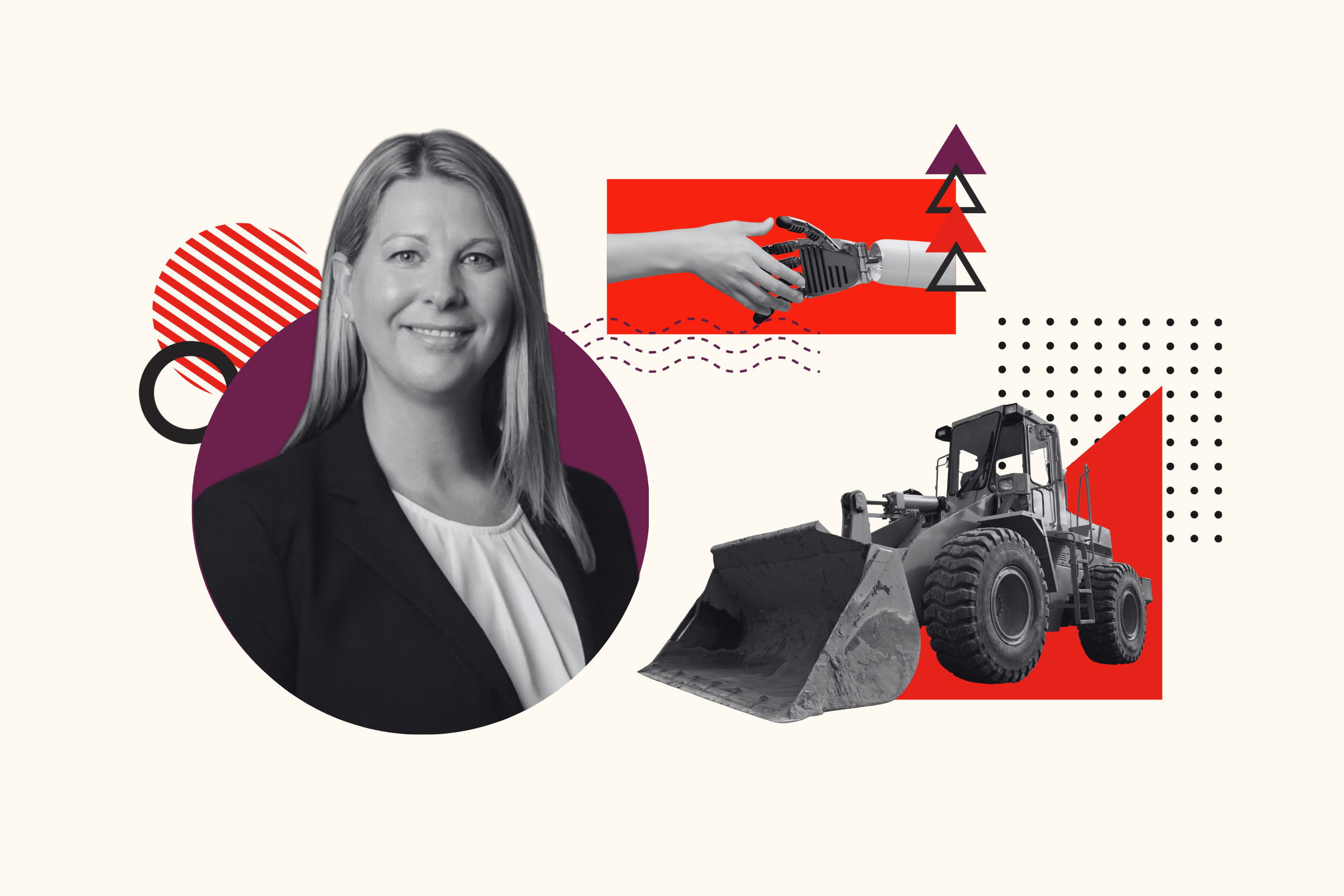
Melissa Faulkner has been at Skanska for over 20 years, holding various technology roles before her appointment to CIO in 2021. Through that time, she’s been leading digital transformation initiatives for the U.S. arm of the global construction firm, and today, she’s leading the company to its AI-powered future.
“I’ve had the opportunity to grow through a lot of different technology leadership roles and experiences and transformations, industry specific and societally as well,” Faulkner told Newsweek. She said she remains excited to implement new strategies and tools to “really change how we’re doing things as an organization.”
The construction industry has been heavily affected by the broader forces currently reshaping the business world. Supply chain and talent strategy for any company has changed a lot in the wake of global conflict, the proliferation of remote work and a post-pandemic shift in people’s perceptions of work over the last five years. But construction has an argument for being among the most affected.
“Global uncertainty has grown as the world’s largest economy seeks to rewrite global trade agreements, driving up construction-related commodity prices, with further increases expected. This is another headwind as the sector continues to struggle with skilled labor shortages,” a Cushman & Wakefield report states.
Industry group research found that 78 percent of U.S. construction firms have difficulty hiring hourly craft workers, while skills gaps and shortages persist. Advancements in machine learning and generative AI technology promise to be a salve for recruiting, retention and safety. Faulkner sees this potential and notes opportunities in sustainability as well, with the help of emerging technology.
“There’s a physicality to what we do every day, and that’s not going to be replaced by AI and some of the innovation technologies,” she said. “What we’re trying to do is figure out: How do we actually automate, augment and support our workers that are out in the field every day and make sure that we can kind of take those repetitive tasks, take away the things that prevent them from being able to focus on safety and quality and really delivering what we need?”

Newsweek Illustration
Faulkner shared her experience working on Skanska’s migration to the cloud, data and cybersecurity improvements and a recent revision of the HR tech stack. Some of the earliest AI deployments have included a safety agent, called Safety Sidekick, and tools that help supply-chain teams communicate faster to get ahead of potential shortages or changes to tariffs.
“We look at technology innovation and AI in three major categories,” Faulkner said. “One is, at an enterprise platform level, we look at startup partnerships and solutions that are helping be more innovative. And then we look at things that we can do internally, using our own data, our own secret sauce, if you will, that are unique to how we approach our industry and our work.”
The Safety Sidekick is an example of an internal tool that fits her description. The machine-learning algorithm is fed with industry standards, OSHA regulations and Skanska’s project files, “and it basically enables our team to quickly synthesize and evaluate safety information,” Faulkner explained.
“It’s a complement to helping you complete your day-to-day tasks, but it’s also a tool for you to prompt and learn [that] helps train, educate, coach and make tools and resources available for our teams as well,” Faulkner said.
The always-on chatbot can answer questions, identify risks and help site managers prepare and plan throughout construction projects.
“Our workers out in the field can prompt something to learn more about the risks associated with their activity of the day and how [to] mitigate them,” Faulkner said. “It allows us to share this expertise and knowledge of wisdom across all of our projects across Skanska, which helps our teams develop stronger mitigation plans.”
Construction is a profession noted by OSHA for having the highest rate of fatalities and high rates of people missing time due to work-related injuries. Anything that can be done to bring those figures down can decrease costs, keep people happier and also attract more people to the profession.
“Every day on our jobsites, we start off with a safety plan. We make sure that we know, top to bottom, the various things that we’re going to be doing on a jobsite and the right way to operate,” Faulkner said. “That’s generating so much data every day. Those construction work plans generate data that feed [Safety Sidekick], so now, as people are developing their plans and mitigation strategies, we’re also capturing those lessons learned.”
As new technology is deployed across the workforce, and technical skills remain an ongoing area of interest, Faulkner said, she has partnered closely with HR on identifying technology solutions for different departments based on their needs and upskilling across the company.
“One thing is clear: AI is reshaping roles, and it’s creating new ones every day,” Faulkner said. “Our HR community knows that better than any[one].”
She points to her partnership with HR as a key to the company’s future success.
“We’re working hand in hand with them on: How do we make sure we can upskill our organization? How do we make sure people are comfortable leveraging data and AI and being more comfortable doing that?” Faulkner shared. “We’ve developed training programs that help all of our employees, when they’re onboarded, really understand what data is available to you and how you can use this. We have a robust training program around data, analytics and AI and things that help to open people’s curiosity.”
Looking ahead, Faulkner also said she expects to see a better course for gender equity in the technology field and credits an inclusive culture at Skanska for helping her in that mission.
“I’m personally passionate about helping women rise in industries and roles, especially where we’ve been historically underrepresented,” Faulkner said. “Technology is reshaping every industry, everywhere. What’s going to set companies apart is [having] diverse voices at the table that are driving change.”
As previous research has noted, simply reaching equal representation is not only the goal but rather the expected outcome of a more just society. The tech industry needs to proceed with caution and respect for the societal harms it may perpetuate or cause.
“You need to have diverse perspectives and voices at the table, and that means you need to make sure that you create opportunities for people and you really open doors for people,” Faulkner said. “As female leaders, we also have to be mindful that when doors are open for us, we’re opening doors below us, and we’re bringing people up.”
Faulkner will join Newsweek at this year’s inaugural Women’s Global Impact forum, speaking on a panel with two tech CEOs and Newsweek‘s editor-in-chief Jennifer Cunningham. The August 5 event, hosted at Newsweek‘s headquarters in New York City, will bring together some of the world’s top female executives and connect them with rising stars across industries and job functions.
For more information on the event, please visit the Women’s Global Impact homepage.
link