Blind Box Tourism: The Rise of Mystery Travel Packages
UTM Comments is a partnership between Macau News Agency and Macao University of Tourism
By Gabriella, Cheang Si Weng
Blind-box tourism refers to travel packages where key details—often the destination or itinerary—are concealed until after booking. Originating from China’s “manghe” toy craze, this model applies the suspense of a “blind box” to flights, hotels, or tours. Tourists purchase a mystery trip based on factors like price and travel dates, but the actual location is revealed only at departure. Tourism researchers Ren and Ma (2024) note that blind-box tourism elicits high curiosity and novelty, though it also raises perceived risk.
Emerging Trends and Case Studies
The trend has spread rapidly in Asia. In Hong Kong, for example, CLS Holiday and AirAsia launched Asia’s first “No Clue Escape” mystery tour in 2024. This five-day package (HKD 4,888 per person) flew from Hong Kong to an undisclosed destination via AirAsia. It sold out within days, prompting expansion to meet strong demand.

Similarly, online travel platforms seized the concept in mainland China. Tongcheng-Elong offered an RMB 98 “blind-box” flight ticket, drawing over 20 million buyers. Also, Trip.com and Alibaba’s Fliggy followed with their own surprise hotel and flight deals (priced from RMB 99 to RMB 999). These campaigns were framed as promotions to reignite domestic travel.
Economic Impact and Consumer Behaviour
Early evidence indicates substantial economic potential. Cheap blind-box offers have driven high sales volumes, helping to stimulate tourism spending. According to a Chief Reporter in China-Hu, Chinese travel managers explicitly cite such promotions as ways “to spur domestic tourism consumption and help the tourism market recover.” Airlines and tour operators report that even if packages include unpopular routes or inconvenient times, the attention and ticket volume justify the campaign. Though a high refund rate is inevitable as some purchasers immediately applied for refunds when faced with late-night flights or midweek departures, the aim of the promotion had been achieved. Overall, the model’s success relies on balancing novelty-driven demand with clear terms. Large-scale promotions can fill seats and diversify travel, yet too many refunds or poor experiences could undermine consumer trust.
Implications for Macau
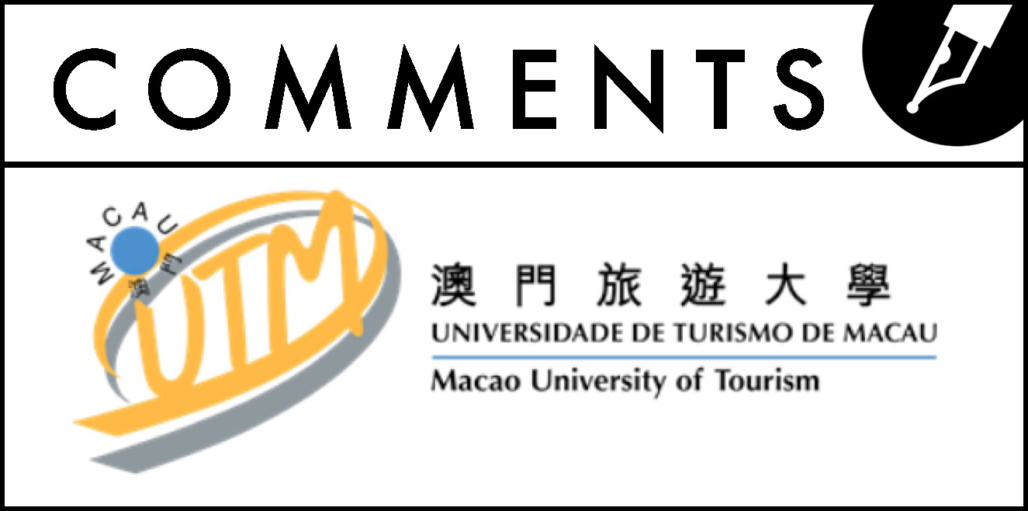
For the Macau market, blind-box tourism offers unique opportunities, if designed with caution. Mrs. Maria Helena De Senna Fernandes, Director of the Macao Government Tourism Office, discussed on May 2025 that Macau’s tourism office is actively pursuing diversification and new experiences while managing overtourism. Mystery tours could be one creative tool to attract adventurous visitors or to channel tourists toward lesser-known areas, aligning with Macau’s goal of spreading traffic. However, any Macau-based blind-box package would need careful curation to match travelers’ high expectations for quality in Macau.
As China Daily reported Chinese regulators warn that unchecked blind-box sales (from toys to travel) can encourage “disorderly” promotions and even gambling-like behavior. In practice, the government may require strict rules (e.g., refund policies, age limits) for travel blind boxes, similar to guidelines for retail blind boxes. In sum, Macau authorities must weigh the novelty factor against consumer protection. If designed under clear regulations, blind-box tourism could bolster domestic travel demand and economic recovery.
Blind-box tourism is emerging as a powerful innovation at the intersection of gaming-like consumer behavior and travel marketing. Hong Kong’s blind-box trips show strong early uptake – travelers are intrigued by the suspense of a mystery trip. Policymakers in Macau should see blind-box tourism as a double-edged sword: it supports diversification goals and spending, yet demands oversight. With responsible regulation and smart marketing, blind-box tourism could unlock new growth.
References
Hu, M. (2021, April 22). Travel sites cashing in on ‘blind box’ craze. Shine.
Ren, L., & Ma, C. (2024). Planning the unplannable—How blind box tourism boosts purchase intentions. Journal of Vacation Marketing.
link